- 9.5–11.5% Txakoli’s strength
- 3 DOs Txakoli appellations
- Jan–Apr Cider-house txotx season
- Getaria Where txakoli grows
- ~1.5 hrs To Rioja Alavesa
Why the Pour Matters as Much as the Plate in a Basque Pintxo Bar
The five-pour crawl we recommend first — and when a winery day beats an evening in the bars.
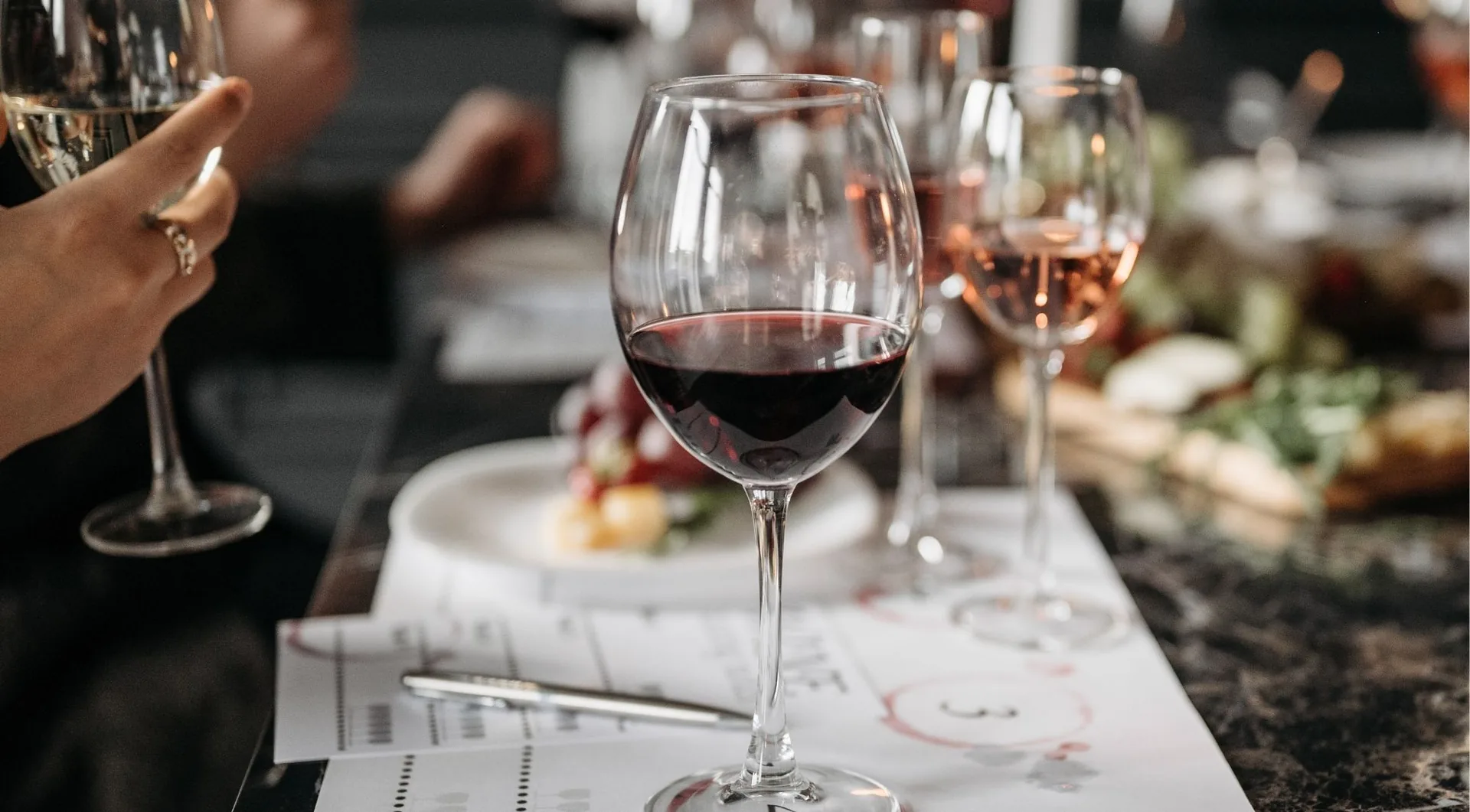
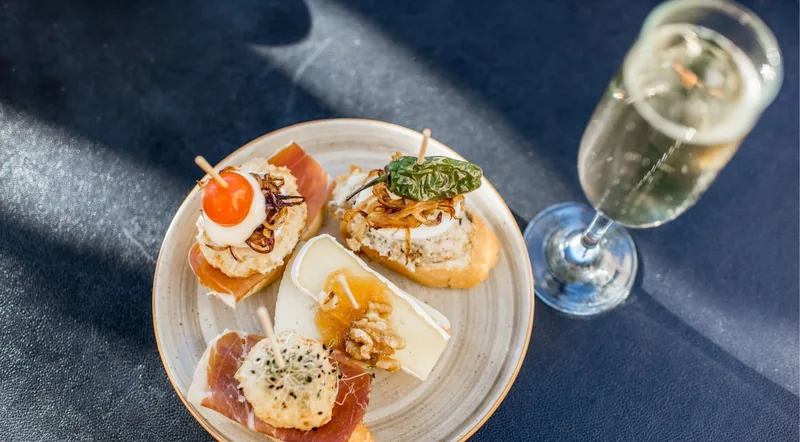
Basque bar drinking is built around small measures for a practical reason: you are meant to visit four or five bars, not settle into one. So a local orders a zurito, a 150ml draught beer, or a txikito of wine, and moves. The pairing logic follows the food rather than a sommelier’s list — txakoli with anchovies and seafood, a Rioja once the plates turn to meat, and natural cider somewhere in the middle because its acidity cuts through fat. The tour we recommend first runs five pours against eight pintxos: three wines from different Spanish appellations, a Basque cider and a local liqueur to close. That is more drink than any comparable crawl in the city and it is the reason it sits at the top of this page. If the wine itself is the point rather than the food, a day in Rioja Alavesa costs less than an evening in the bars — but it takes the whole day.
Highlights
- Three Denomination of Origin wines, a Basque cider and a local liqueur — five pours in all
- Txakoli poured from height, which is aeration rather than theatre
- Eight pintxos matched to the pours, from anchovies through to something heavier
- Non-alcoholic substitutions available on request, stated in the inclusions
- A guide who explains what each appellation is doing to the food
What's Included
- A local guide leading a small group through the Parte Vieja
- Eight pintxos per person, with gluten-free and vegetarian options
- Three wines, one Basque cider and a local liqueur per person
- Non-alcoholic drinks in place of the alcohol on request
- Food and drinks for under-18s travelling with you
Check Availability & Prices
Pick your date below. Instant confirmation, and free cancellation up to 24 hours before the tour.
How the Pairing Works: 5 Stages, 3 Appellations, 1 Cider From the Barrel
From the first txakoli against an anchovy to the liqueur at the end — what gets poured, and why it gets poured there.
-
Open on txakoli, because the food is salty
The first pour is almost always the local white: sharp, faintly fizzy, 9.5 to 11.5 per cent, and sent into the glass from height so the spritz breaks out. It is built for anchovies, gildas and anything cured — acidity against salt. Getariako Txakolina, the coastal appellation forty minutes west, is the biggest of the three and makes over two million bottles a year.
-
A second white or a rosé as the plates broaden
Once the counter moves past cured fish into tortilla, cheese and vegetables, the pour usually softens: a rounder Spanish white, sometimes a rosé. This is the point where a good guide starts naming appellations rather than just handing you a glass, and where the difference between a tour with one included drink and a tour with five becomes obvious.
-
Cider, poured the way the cider houses do it
Sidra natural is tart, funky and barely sparkling, and it is poured from height for the same physical reason as the txakoli. In the sagardotegi around Astigarraga the barrel is tapped to the shout of txotx and everyone lines up with a tilted glass. On a city tour you get a controlled version of the same thing, usually against something fried or fatty.
-
Rioja with the meat
When the plates turn to veal cheek, Iberian ham or an aged beef chop, the pour turns red. Rioja is an hour and a half south of the city and is what a Basque bar reaches for with meat. Tempranillo with fat and salt is not a subtle pairing, and it is not trying to be.
-
A liqueur, and the cheesecake
Most routes finish on burnt Basque cheesecake with a sweet pour or a local liqueur — pacharan, the sloe-berry spirit, turns up often. It is the one point in the evening where you are expected to stand still for a moment, which after five bars is welcome.
The txakoli vineyards above Getaria, a sagardotegi in Astigarraga with the barrels open, the Rioja Alavesa bodegas around Laguardia, or an Idiazábal cheese farm in the hills behind the city — four ways to spend a day drinking and eating outside San Sebastián.
The Pairings, Glass by Glass
Txakoli, Rioja, cider and the plates they are poured against. Scroll or drag to browse.
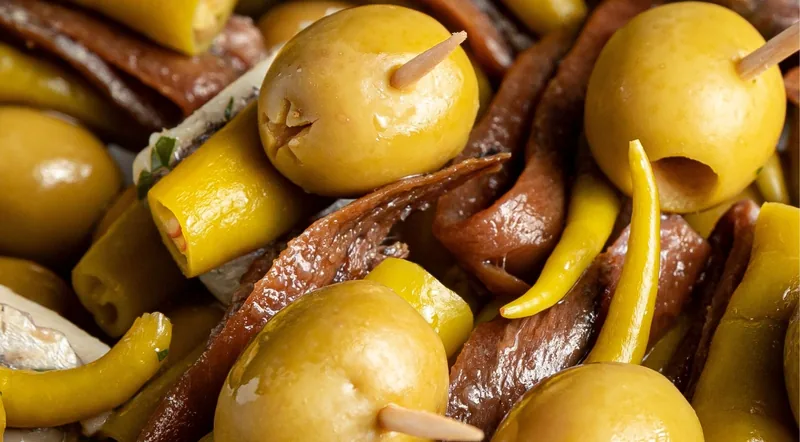
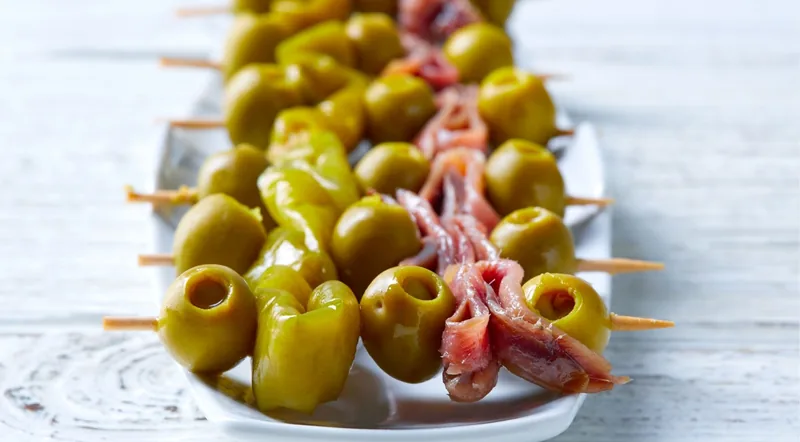
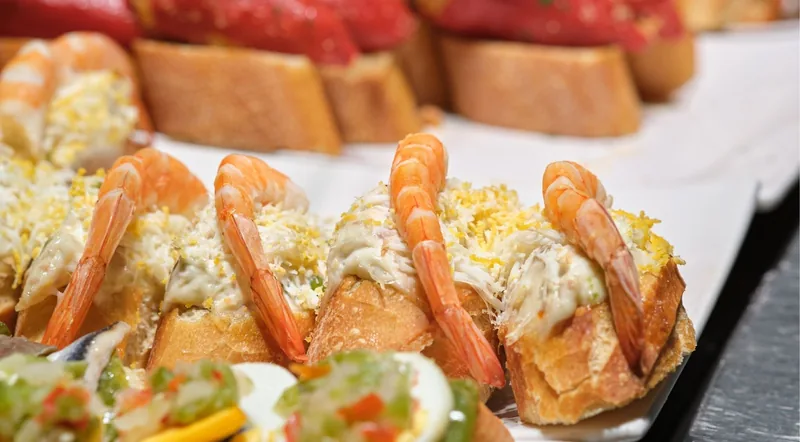
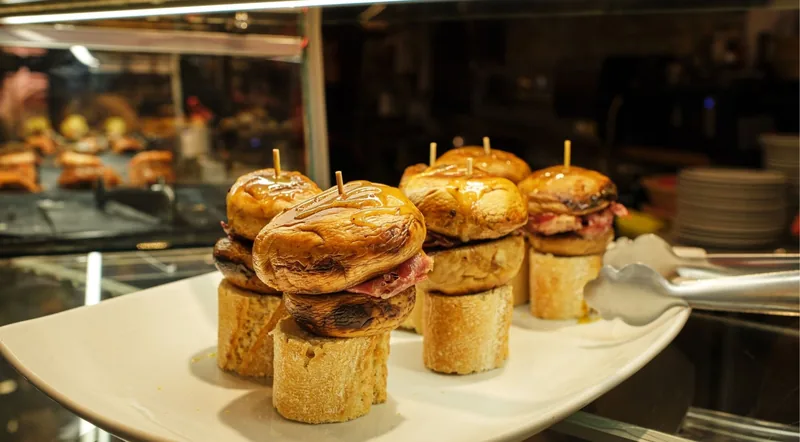
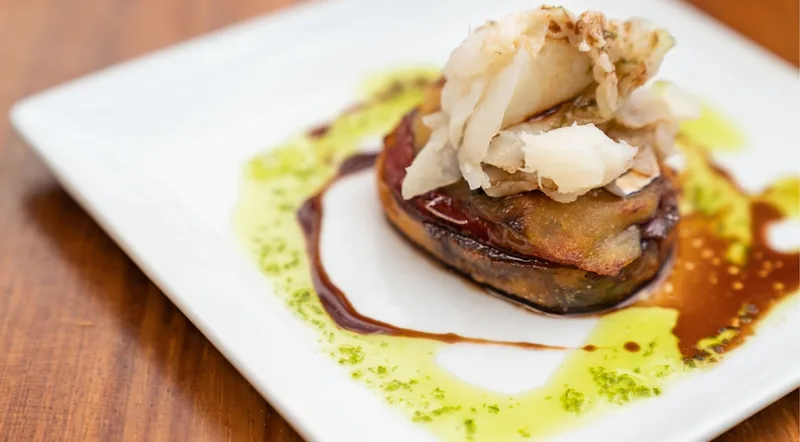
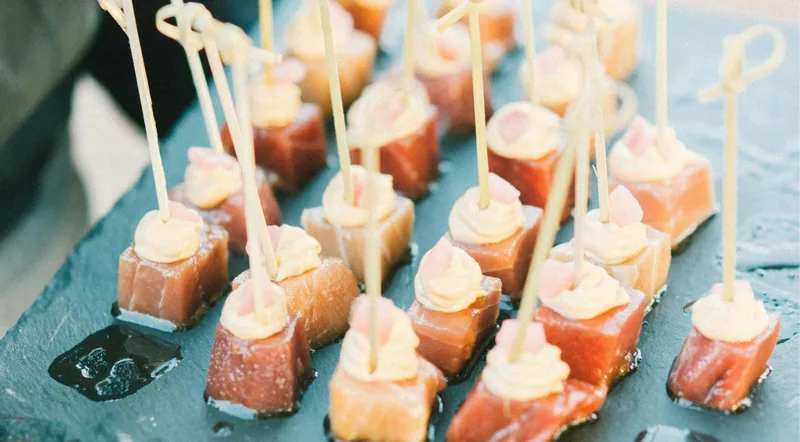
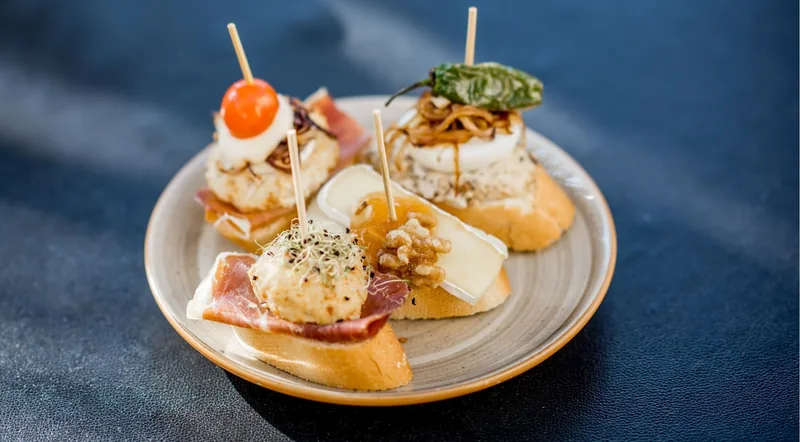
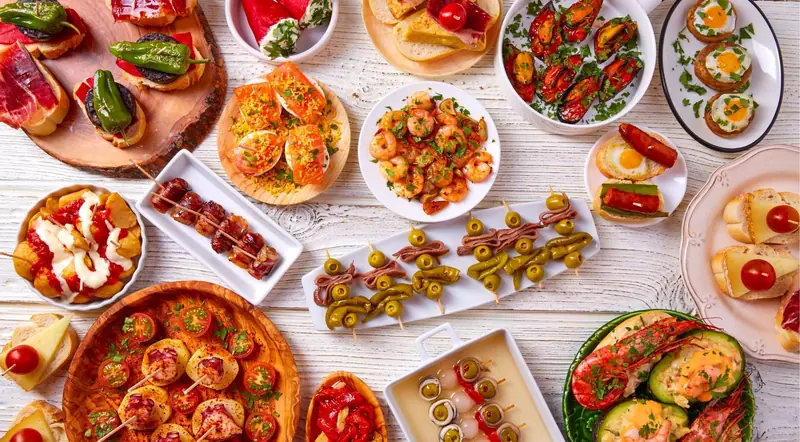
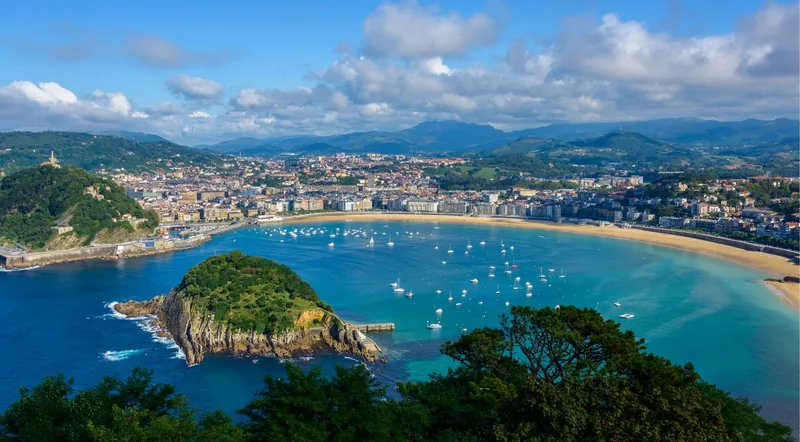
Tapas and Wine in San Sebastián: Crawl, Winery, Cider House or Full-Day Rioja
A pour at every bar, a vineyard above the sea, a barrel in a farmhouse or a day among the bodegas — what each one gives you.
A pintxos crawl with the drinks included
Four or five pours matched to six to eight plates over three hours, in the city, for about $120. It is the highest ratio of pairing to time available anywhere here, and it teaches you what to order for the rest of the trip. Check the number of included drinks before you compare prices — the range runs from one to five.
Txakoli at Getaria, where it is grown
Four hours west along the Cantabrian coast to Getaria and Zarautz: vineyards on slopes above the sea, the txakoli museum, a guided tasting and a local appetiser, hotel pick-up in a private vehicle. This is the wine every bar in the city pours from height, seen at source. Not suitable for wheelchair users or travellers with mobility impairments.
A cider house, and the txotx
Fifteen minutes out at Astigarraga or Hernani, a working sagardotegi opens its barrels and serves the fixed menu that goes with them — cod omelette, salt cod, an aged beef chop, cheese with quince and walnuts. The traditional season is January to April, though several houses now run txotx all year. At $96 with transport it is the best-rated food experience near the city.
Rioja Alavesa, an hour and a half south
Six to eight hours for two wineries, guided tastings, a Riojan lunch with a glass and time in the walled medieval village of Laguardia, from $99. Per hour it is the cheapest wine on this page. It also costs you a whole day of San Sebastián, which on a three-night trip is a real trade.
San Sebastián Tapas and Wine Tours Compared: Pours, Price, Length and What Is in the Glass
City crawls with the drinks in, winery half-days and full-day wine trips — with the count of pours and what each one is.
| Tour | Best for | From | Length | Drinks included | What is poured | Food |
|---|---|---|---|---|---|---|
| Pintxo tasting paired with wines Local Experts Tours |
Best pairing overall | $121 | 3 h | 5 pours | 3 DO wines, Basque cider, a local liqueur | 8 pintxos |
| Pintxos and Wine Tour with 5 Tastings TOPA Food Tours |
A pour at every venue | $203 | 3 h | 5 pours | Red, white and dessert wine, plus cider | 1–2 pintxos at each of 5 bars |
| Old Town Pintxos and Wine Tour The Good Tour Company |
Most choice per glass | $145 | 3 h | 5 drinks | Wine, cider, beer or soft drinks — your pick | 5 premium pintxos |
| Premium Market, Pintxos and Wine Earra Tours |
Best with a market | $168 | 3 h | 5 drinks | Rioja, natural cider, a closing liqueur | 6 pintxos + a market tasting |
| Getaria Txakoli wine tour Local Experts Tours |
Best winery half-day | $168 | 4 h | Guided tasting | Premium txakoli at the source | A local appetiser |
| Traditional Cider House Tour with Lunch Gipuzkoa cider houses |
Best value day out | $96 | 4 h | Cider from the barrel | Natural Basque cider, txotx-style | The full cider-house menu |
| La Rioja Wines Tour Local Experts Tours |
Best full day | $99 | 6–8 h | Tastings at two wineries | Rioja reds, at the bodegas | A traditional Riojan lunch |
Short version: if you want pairing, book the five-pour city crawl; if you want wine, the Rioja day is the best value on this page by a distance. Note the count of included drinks rather than the headline price — the gap between one pour and five is worth about €10–15 a head. Prices are the per-person figures GetYourGuide showed on 7 September 2026. The TOPA and Good Tour Company listings have fewer than fifteen reviews each, so treat their ratings as provisional.
What Travellers Say About the Pintxo-and-Wine Pairing
Four verbatim reviews of the Local Experts Tours crawl, the deepest drink list of any pintxos tour in the city.
“Ibeth was a brilliant guide, relaxed and knowledgeable. Food and wine pairings were delicious. Enjoyed every minute of the experience!”Jane · September 2026
“Great food and expert knowledge. Ibeth was a great guide and so passionate about the history food and the wine! There was great variety and plenty to eat and drink. Would highly recommend”Lee · United Kingdom · September 2026
“Victor was an incredible guide, I enjoyed every story, pintxo and drink. Highly recommend!!”Maja · September 2026
“So enjoyed d the day with Isbeth. Food and beverages were great! Super full after!”Bethany · September 2026
Reviews are quoted verbatim from GetYourGuide. The rating reflects 825 verified reviews as of 13 October 2026, with guides scored 4.9 and value for money 4.6. That value score is the honest counter to this page: five pours and eight plates is a lot of drink, and it still costs two to three times a self-guided evening. We earn a commission if you book through the links on this page, which does not change your price.
Other Ways to Drink Basque: At the Vineyard, at the Barrel or a Day South in Rioja
Four drink-led alternatives, all with the pours included. For the food-first versions of the same evening, see our pintxos tours comparison.
Where the white wine grows
Txakoli at Getaria, forty minutes down the coast
Four hours west through Zarautz to Getaria, in the Getariako Txakolina appellation: a vineyard on a slope above the Cantabrian Sea, the txakoli museum, a guided tasting of premium bottlings and a local appetiser. Hotel pick-up and a private vehicle, small group or private. Not suitable for wheelchair users.
Choose this if txakoli is the thing you liked most in the bars and you want to see it made.
★ 4.7 · 45 reviews · From $168 · Local Experts Tours Check dates & prices
The barrel, and the shout
A cider house lunch and the txotx ritual
Four hours in the Astigarraga valley: the cellar, the apple orchards, and the moment the barrel is tapped and everyone lines up with a tilted glass. The fixed menu that goes with it is cod omelette, salt cod, an aged beef chop and cheese with quince and walnuts. Rated 4.9 across 100+ reviews — the highest of anything near the city.
Choose this if you want the tradition the pintxo bar pours are a city version of.
★ 4.9 · 100+ reviews · From $96 · Gipuzkoa cider houses Check dates & prices
A whole day, and the best value here
Two Rioja wineries and the walled village of Laguardia
Six to eight hours south over the mountains into Rioja Alavesa, with entry to two wineries, guided tastings, a traditional Riojan lunch with a glass and time in medieval Laguardia. Departures from San Sebastián, Bilbao or Vitoria, hotel pick-up on most options. Not suitable for wheelchair users, travellers with mobility impairments or pregnant travellers.
Choose this if Spanish red is what you actually drink and you can spare a full day.
★ 4.7 · 68 reviews · From $99 · Local Experts Tours Check dates & prices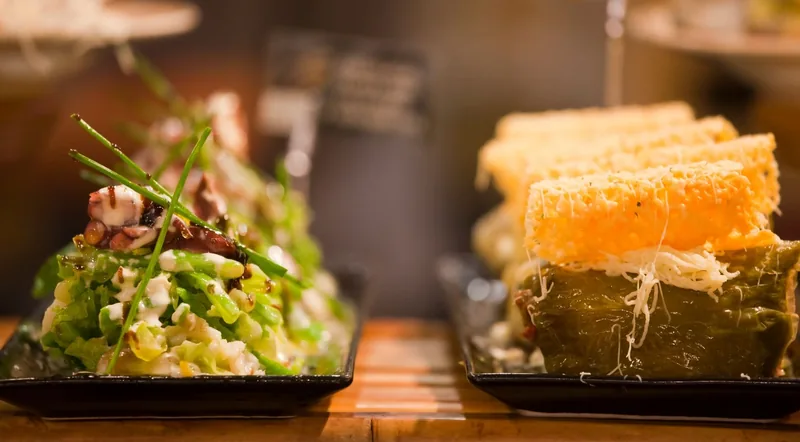 A pour at every single stop
Five bars, five pairings, two neighbourhoods
One or two signature pintxos at each of five bars with a wine or local drink poured against every one — red, white and dessert wine plus cider. Reviewers name suckling pig, seared cod, pig’s ear and an idiazábal orzo among the plates. Bilingual guiding, non-alcoholic options on request. A newer listing with thirteen reviews so far, all five-star.
Choose this if the matched pour at every stop is exactly what you are shopping for.
★ 5.0 · 13 reviews · From $203 · TOPA Food Tours Check dates & pricesBasque Drinks Explained: Txakoli, Sidra, Rioja, Vermouth and What to Order When
What each one is, where it comes from, what it costs in a bar and how to ask for it — checked 7 September 2026.
Txakoli, and why it comes down from a height
Txakoli is the Basque white: mostly Hondarrabi Zuri, picked early, low in alcohol at roughly 9.5 to 11.5 per cent, dry, sharp and bottled with a faint spritz. There are three appellations — Getariako Txakolina on the coast at Getaria and Zarautz, which is the largest at over two million bottles a year, plus Bizkaiko Txakolina and Arabako Txakolina inland. The pour from height, escanciar, is not showmanship: dropping the wine into a tilted glass drives the dissolved carbon dioxide out, which lifts the aroma and rounds the acidity. It is poured in small measures because it is meant to be drunk fast, before the spritz goes. Order it with anchovies, gildas, seafood and anything cured, and expect to pay around €2 a glass in a bar.
Sidra natural and the txotx
Basque cider is a different animal from anything sold in a British or American pub: still or barely sparkling, tart, faintly funky, unsweetened. In the sagardotegi — the cider houses clustered around Astigarraga and Hernani, fifteen minutes from the city — the barrel is tapped, someone calls txotx, and the room lines up to catch a thin stream in a tilted glass. Petritegi traces its origins to 1526 and is six generations in; Zelaia and Astarbe are the other names you will hear, and Sagardoetxea nearby is a cider museum. The season traditionally runs January to April, though several houses now offer txotx year round. The menu is fixed and does not vary: cod omelette, salt cod, a charcoal-grilled beef chop, cheese with quince and walnuts. A guided cider-house afternoon with transport is on our food tours page.
Rioja, vermouth, kalimotxo and the small measures
Rioja is an hour and a half south and is the red a Basque bar pours with meat — tempranillo against fat and salt, no subtlety intended and none needed. Vermouth has come back strongly as an aperitif here, drunk before lunch rather than in the evening. Kalimotxo, red wine cut with cola, is a genuine local invention and genuinely popular, mostly with a younger crowd at festivals. The vocabulary that matters most, though, is the measures: a zurito is a small draught beer of about 150ml, said to be a San Sebastián invention; a txikito is a small glass of wine; a caña is a standard draught. Ordering small is not restraint, it is the mechanism that makes a five-bar evening possible. Our what to expect guide covers the rest of the ordering vocabulary.
Alcohol-free, and the price question
If you do not drink, say so at booking. Most operators substitute soft drinks, water or alcohol-free options and several list that explicitly. What almost none of them do is charge less, and reviewers on more than one tour have said the pricing should distinguish between drinkers and non-drinkers — a fair point given that four or five pours is a real part of the cost. If you are not drinking at all, the better value is a tour that leads with food: a market-and-cooking morning, a chef-led dinner, or one of the tours that lets you choose a soft drink at each of five stops. The wider question of whether the guided version is worth the premium is worked through on our worth-it page, and the vocabulary itself is explained in pintxos versus tapas.
San Sebastián Tapas and Wine Tours: Frequently Asked Questions
What to drink with pintxos, the pour from height, whether drinks are included, alcohol-free options, txakoli versus cider versus Rioja, wineries and txotx.
What do you drink with pintxos in San Sebastian?
Txakoli first: a young, dry, faintly sparkling Basque white made mostly from Hondarrabi Zuri at around 9.5 to 11.5 per cent, poured from height to aerate it. Then a Rioja as the plates get heavier, natural Basque cider somewhere in the middle, and a local liqueur or a sweet wine at the end. Locals order small on purpose — a zurito of beer or a txikito of wine — so they can do five bars.
Is txakoli poured from height for show?
No, it is functional. Txakoli is bottled with a slight spritz and pouring it from about arm’s height into a tilted glass drives the dissolved carbon dioxide out, which lifts the aroma and softens the acidity. Basque natural cider is poured the same way for the same reason. It looks theatrical because the physics happen to be photogenic.
Do San Sebastian tapas tours include the drinks?
Almost all of them do, and it is a substantial part of what you are paying for. Four or five pours is the norm on a three-hour tour. A minority include only one or two, which changes the real cost by roughly ten to fifteen euros a head. Read the inclusions line before comparing headline prices.
What if I do not drink alcohol?
Most operators will substitute soft drinks, water or alcohol-free options, and several say so explicitly in their inclusions. What almost none of them do is reduce the price, which is a fair complaint that turns up in reviews. If you are not drinking, the tours that lead with the food — market tours, cooking classes, chef-led dinners — give you more for the same money.
What is the difference between txakoli, cider and Rioja here?
Txakoli is the local white: sharp, low in alcohol, made on the coast at Getaria, Bizkaia and Araba, and drunk young. Sidra natural is Basque cider, tart, funky and barely sparkling, poured from the barrel in the cider houses of Astigarraga during txotx season from January to April. Rioja is the Spanish red from an hour and a half south, and it is what a pintxos bar pours against meat.
Can you visit a winery from San Sebastian?
Yes, in two directions. Getaria is forty minutes west along the coast and is the heart of the Getariako Txakolina appellation, the largest of the three txakoli DOs, producing over two million bottles a year. Rioja Alavesa is an hour and a half south and is a full-day trip with two wineries, a Riojan lunch and the walled medieval village of Laguardia.
What is txotx and when does it happen?
Txotx is the shout that goes up when a cider barrel is tapped in a Basque cider house, and everyone lines up to catch a thin stream in a tilted glass. The traditional season runs roughly January to April, though several houses around Astigarraga — Petritegi, Alorrenea and Rezola among them — now run it year round. The cider-house menu that goes with it is fixed: cod omelette, salt cod, an aged beef chop, cheese with quince and walnuts.
Is a wine tour better value than a pintxos tour?
They answer different questions. A pintxos-and-wine crawl in the city gives you four or five pours matched to food for around $120 and takes an evening. A txakoli winery trip is $168 for four hours and shows you where the wine is made. A full day in Rioja is $99 with two wineries and lunch, which is the best value per hour of anything on this page — but it is a day, not an evening.
The Guides Behind the Recommendations
Longer answers to the questions this page could only summarise.
- Wine tasting in San SebastiánPintxos-and-wine crawls, dedicated tastings, Txakoli wineries and Rioja day trips, compared.
- Txakoli wine guideWhat Txakoli tastes like, where it is made, and whether a Getaria winery tour is worth it.
- Tapas and wine pairing guideWhat wine goes with each pintxo, dish by dish, and a 21-row pairing table.
- Best wine barsParte Vieja, Gros or Centro, and how to order like a local.
- Every San Sebastián tapas tour comparedThe full comparison table: best overall, premium, evening, private and wine.
- San Sebastián pintxos toursThe classic bar crawls, ranked on group size, stops and pours.
- San Sebastián food toursMarkets, cooking classes, cider houses and wine days.
- Old Town tapas and pintxos toursHow many bars, evening or daytime, and whether the Parte Vieja is too crowded.
- Evening pintxos toursStart times, finish times, crowds and whether it replaces dinner.
- Private tapas and pintxos toursWhat a private guide costs and when it beats a small group.
- Pintxos vs tapasAre they the same thing, how to say it, and how to order.
- What to expect on a food tourWalking, food quantity, dietary options, tipping and meeting points.
- Are the tours worth it?The honest case for booking one — and the case against.