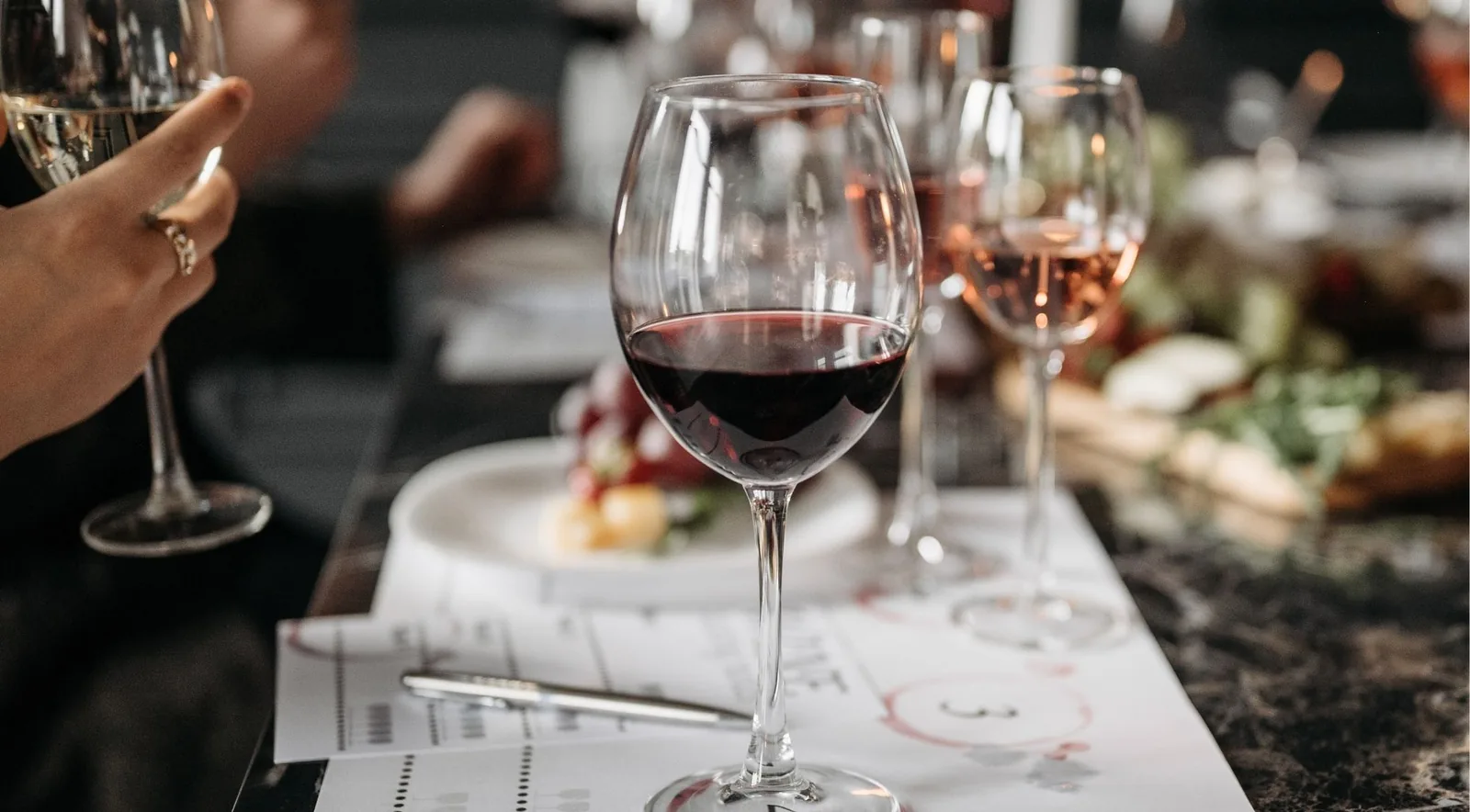
- cha-ko-LEE How to say it
- Hondarrabi Zuri Main grape
- 3 DOs Protected Txakoli regions
- Getaria ~40–60 min from the city
- Dry & chilled Usually served
Why Txakoli Feels Inseparable From the Place It Is Made
A light, coastal white you will see poured all over San Sebastián — and the vineyards forty minutes away where it comes from.
Txakoli is one of the most distinctive wines you can try in the Basque Country: light, crisp and usually white, closely tied to the Atlantic coast and especially common around San Sebastián, Getaria and Bilbao. Spend even a few evenings eating pintxos here and you will see it poured alongside seafood, anchovies and grilled fish. What makes it interesting is not only how it tastes, but how tied it is to where it is made — the vineyards, the Atlantic climate, the coastal towns and the food culture all shape its identity. This guide explains what Txakoli is, what it tastes like, where it comes from, how to drink it, and whether a winery tour from San Sebastián is worth doing.
Highlights
- A vineyard visit on the coast above Getaria, with vines close enough to the Atlantic to taste the salt in the air
- Access to the Txakoli Museum and a guided tasting of premium bottlings
- A choice between a private or small-group format
- Rated 4.7 from 43 reviews
- Guiding in Spanish and English
What's Included
- Hotel pickup and drop-off
- Transportation in a private, air-conditioned vehicle
- Access tickets to the Txakoli Museum
- Txakoli tastings and a local appetiser
- Rain clothes and umbrellas provided
Check Availability & Prices
Pick your date below. Instant confirmation, and free cancellation up to 24 hours before the tour.
Four Things to Know Before You Order Txakoli
What it is, where it grows, which grape makes it, and why the pour looks so dramatic.
-
What it is, and how to say it
Txakoli (also spelled Txakolina or Chacolí) is a traditional Basque wine, most commonly a dry white with high acidity, fresh citrus notes, green-apple flavours, a mineral or saline character, a light body and moderate alcohol. Some examples carry a slight natural spritz. Pronounce it cha-ko-LEE — harder to spell than to say.
-
Where it grows: three protected regions
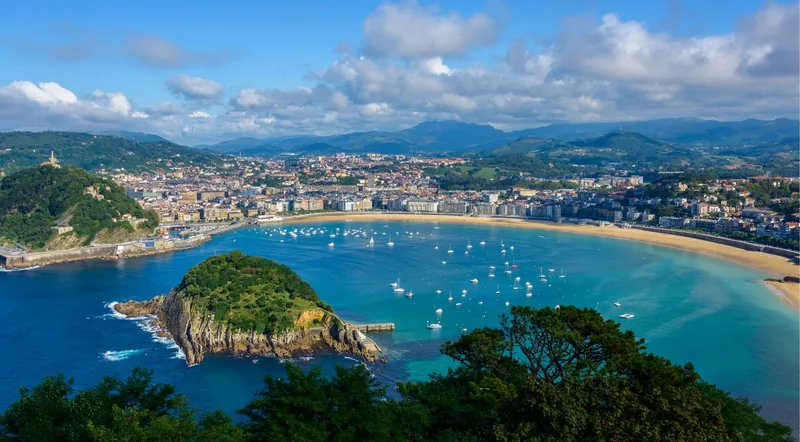
Txakoli comes from three denominations — Getariako Txakolina, Bizkaiko Txakolina and Arabako Txakolina. For anyone staying in San Sebastián, Getariako Txakolina is the relevant one: vineyards on green hills above the Atlantic, concentrated around Getaria, Zarautz and Aia, easy to visit on a half-day or full-day trip.
-
The grape: Hondarrabi Zuri
The dominant grape is Hondarrabi Zuri, a white variety responsible for almost all Txakoli you will drink. A red grape, Hondarrabi Beltza, exists too and appears in rosé and red styles, though white remains by far the most common version.
-
Why it is poured from height
The dramatic high pour is functional, not showmanship: dropping the wine from about arm's height into a tilted glass drives out the dissolved carbon dioxide, lifting the aroma and softening the acidity. Basque natural cider is poured the same way for the same reason. Not every bottle needs it — some modern, more structured styles are treated like a conventional still white.
Txakoli, the Coast and the Plates It Is Poured Against
Scroll or drag to browse.
Where to Try Txakoli, and Whether a Winery Tour Is Worth It
Three neighbourhoods for a casual glass, and what a good vineyard visit should include.
Parte Vieja (Old Town)
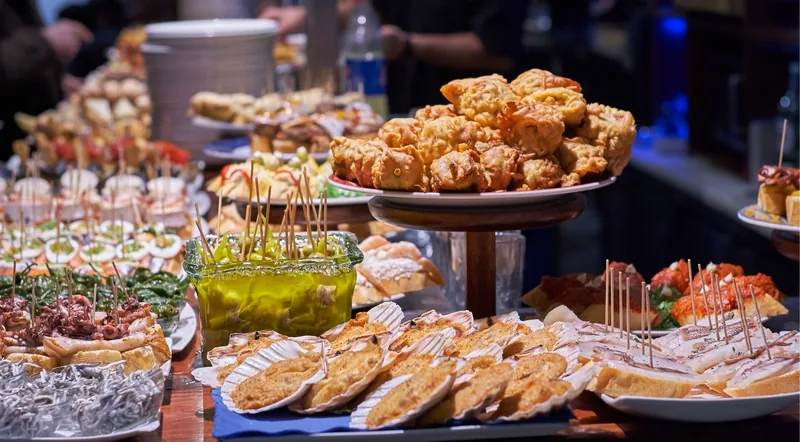
The highest concentration of pintxos bars in the city, and the easiest place to try Txakoli casually alongside traditional dishes. Many bars pour it by the glass, so there is no need to buy a bottle.
Gros
A strong mix of pintxos bars and modern restaurants, slightly less hectic than the Old Town. A good pick if you want a calmer glass of Txakoli with contemporary plates.
Centro
Wine bars and sit-down restaurants for travellers who prefer a slower pace than rapid bar-hopping.
What a good winery tour includes
Look for transport from San Sebastián, at least one winery visit, several wine samples, an explanation of local grapes, vineyard access where possible, and food pairing. A half-day is enough for one winery and the vineyards; a full day adds Getaria, Zarautz and a seafood lunch. Many wineries are not set up for spontaneous walk-ins, so book ahead either way.
A pintxos-and-wine crawl through the Old Town, a market and wine tasting tour, a sagardotegi in Astigarraga with the cider barrels open, or the Rioja Alavesa bodegas around Laguardia — more ways to drink and eat in and around San Sebastián.
Txakoli vs Rioja vs Basque Cider
Very different drinks that all turn up on the same pintxos-bar counter — here is what actually separates them.
| Attribute | Txakoli | Rioja | Basque cider |
|---|---|---|---|
| Made from | Grapes (mainly Hondarrabi Zuri) | Grapes (mainly Tempranillo) | Apples |
| Colour | Mainly white | Best known for red | Pale, still or barely sparkling |
| Character | Fresh, high acidity, light body | Richer, more structured, more tannin | Dry, tart, rustic apple flavours |
| Where it grows | Coastal, around Getaria | Inland, roughly 2 h south | Basque farmhouses, e.g. Astigarraga |
| Classic pairing | Seafood, anchovies | Meat, cured ham, aged cheese | Cod, steak, cheese |
| Best as | A half-day coastal excursion | A full-day wine-country trip | A cider-house lunch, Jan–Apr for txotx |
Short version: if you only try one specifically Basque wine, make it Txakoli. Visitors to San Sebastián can easily experience all three — Txakoli with pintxos in the city, Rioja as a separate wine-country day, and Basque cider at a sagardotegi outside town. Txakoli also shares some character with Albariño — both are fresh, aromatic, high-acid whites associated with seafood — though Albariño comes from Galicia and Txakoli often has a more distinctive saline, slightly spritzy quality.
What Travellers Say About the Getaria Winery Tour
Four verbatim reviews of the Local Experts Tours Txakoli excursion.
“Excellent tour with our guide Paul, who was lovely, knowledgeable and helpful. We very much enjoyed learning about the area and the Txakoli production, had a fabulous wine tasting experience and a very comfortable ride in an air conditioned mini bus.”Ela · August 2026
“A fabulous tour with Eider. A beautiful visit to a lovely seaside town where we were shown all the hidden treasures and given time to explore ourselves. We then headed to the local vineyard to see the vines and try a wine straight from the vat.”Susanne · June 2026
“The experience was great. Everything was impeccable, from our guide to the points on the route, ending with the Txakoli tasting. I can't stop recommending it, if you're a wine lover.”Javier · September 2025
“We had a lovely trip with great views and a fun wine tasting! Thank you!”Bernd · September 2025
Reviews are quoted verbatim from GetYourGuide. The rating reflects 43 verified reviews as of 17 September 2026. We earn a commission if you book through the links on this page, which does not change your price.
Other Wine and Drink Experiences Nearby
The full market-and-wine tasting, the classic pintxos-and-wine crawl, a full Rioja day, or the cider-house tradition.
 The all-in-one introduction
Premium Market, Pintxos and Wine Tasting Tour
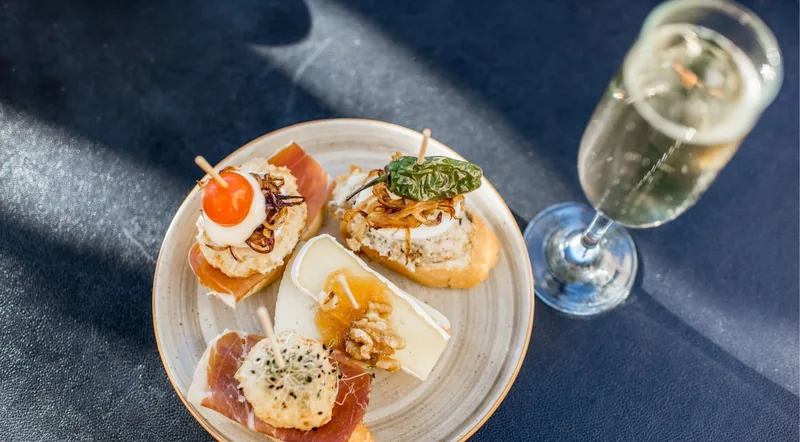
A market visit and olive-shop tasting before six pintxos and five pours across the Old Town. The highest-rated version of this format in the city.
Choose this if you want the broadest single introduction to San Sebastián's food and drink.
★ 4.9 · 133 reviews · From $168 · Earra Tours Check dates & prices
Best value pairing
Pintxo tasting paired with wines
Eight pintxos and five pours — three Denomination of Origin wines, a Basque cider and a local liqueur — across three hours in the Parte Vieja.
Choose this if pairing in the city is what you want, rather than a trip out to the vines.
★ 4.8 · 776 reviews · From $121 · Local Experts Tours Check dates & prices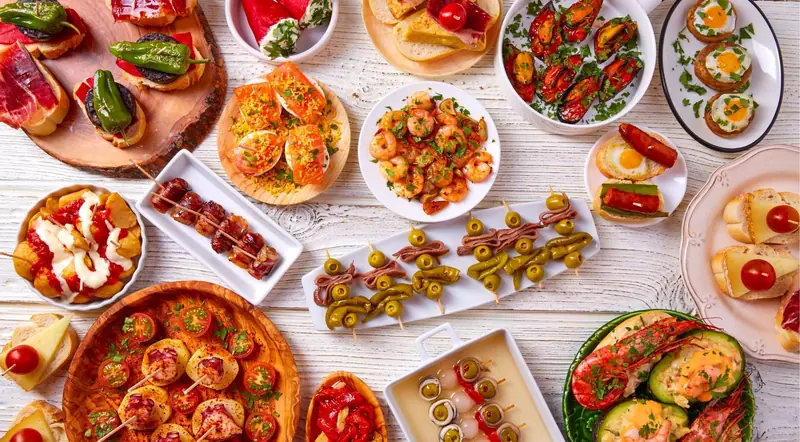 The other wine region
La Rioja Wines Tour
Six to eight hours south into Rioja, with entry to two wineries, guided tastings and a traditional Riojan lunch with a glass. Departures from San Sebastián, Bilbao or Vitoria.
Choose this if red wine and aged cellars matter more to you than the coast.
★ 4.7 · 64 reviews · From $99 · Local Experts Tours Check dates & prices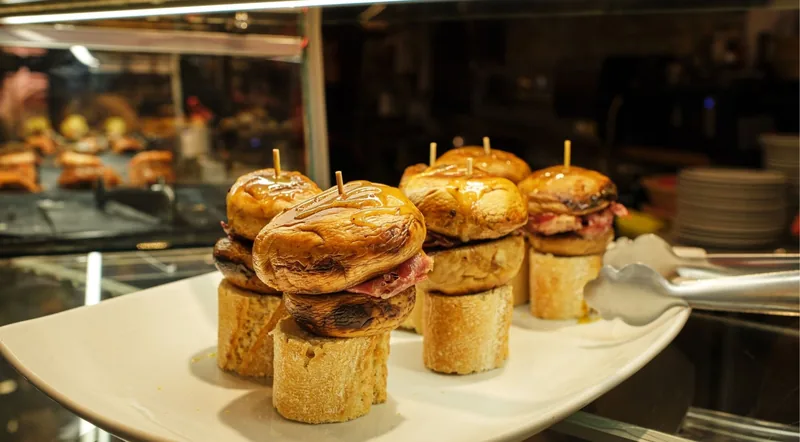 The cider counterpart
Traditional Cider House Tour with Lunch
Cider straight from the barrel at the cry of txotx, and the fixed menu that goes with it: cod omelette, salt cod, an aged beef chop, cheese with quince and walnuts.
Choose this if you want the Basque farmhouse tradition alongside the wine.
★ 4.9 · 171 reviews · From $96 · Gipuzkoa cider houses Check dates & pricesTasting Notes, Styles, Buying a Bottle and Planning the Trip
Flavour, strength, glassware, seasonality and how to actually get to the vineyards — checked 17 September 2026.
What Txakoli tastes like, and how strong it is
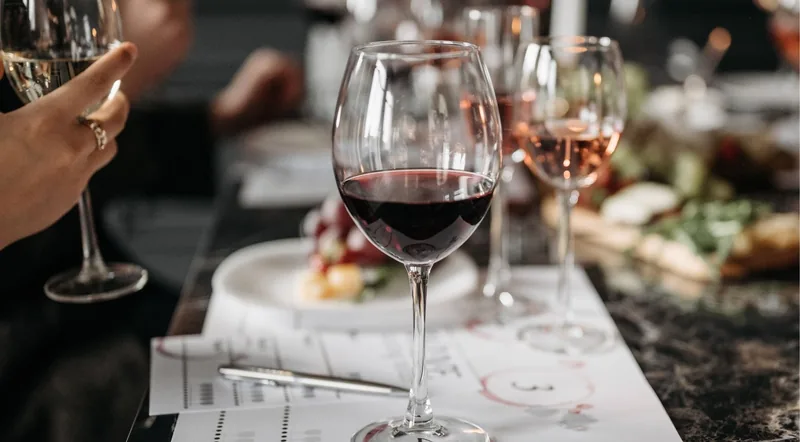
Most traditional Txakoli is dry, fresh, acidic, light and citrusy, with tasting notes running through lemon, lime, green apple, pear, herbs, white flowers and a mineral or sea-spray note. High acidity is the defining feature, and it is also why the wine works so well with rich, salty or oily foods. Txakoli is usually lower in alcohol than a full-bodied Spanish red, which is part of why it suits an aperitif or a night of moving between pintxos bars — alcohol levels vary by producer and vintage, so check the bottle if it matters to you.
Glass, temperature and the modern styles
Txakoli is generally served chilled: its crispness is most refreshing cool rather than warm, and bars will normally serve it at an appropriate temperature without being asked. It may arrive in a small tumbler, a wine glass or a dedicated tasting glass — the vessel matters less than the temperature and freshness. Traditional examples are light, very fresh, high in acidity and made for early drinking, but some modern producers now build more ambitious wines with longer ageing, lees contact, oak and single-vineyard fruit, so a tasting flight across producers can reveal real differences. Txakoli is not only white, either: rosé, red and even sparkling versions exist, though white remains by far the most common, and a winery visit is often the best way to try the less familiar styles.
Food pairings beyond the obvious
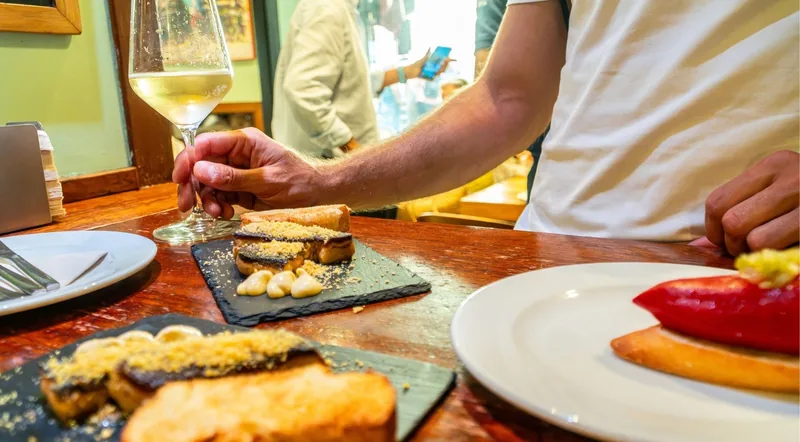
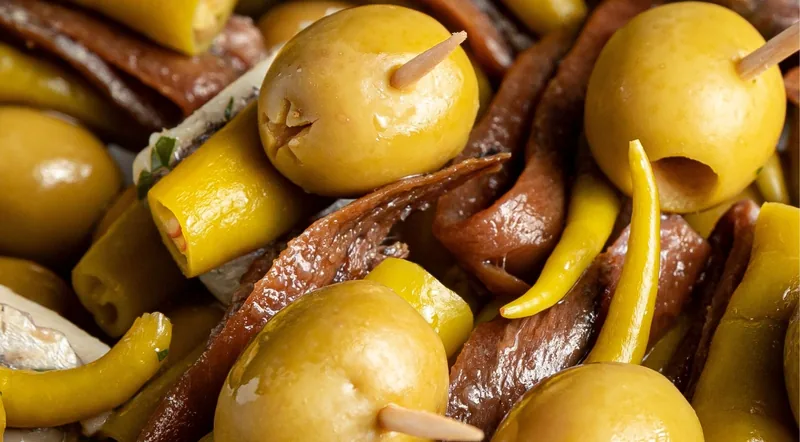
Seafood is the anchor pairing — anchovies, tuna, sardines, grilled fish, squid, prawns, shellfish, octopus and cod all work, and the acidity keeps the pairing feeling fresh rather than heavy. Anchovies in particular are close to a defining match: the saltiness and oiliness of the fish meet the wine's bright acidity almost perfectly, and a Txakoli-and-anchovy pintxo is one of the simplest ways to taste a classic local combination. Beyond seafood, it also pairs well with crab, goat cheese, smoked fish and fried seafood pintxos, and with fresher or mildly aged cheese, particularly Basque sheep's-milk styles, where the acidity balances the richness. If in doubt, ask the bar what they recommend alongside it.
Is Txakoli a good wine, and is it similar to anything else?
That depends on what you enjoy. If you like crisp wines such as Albariño, Muscadet, Sauvignon Blanc, dry Riesling or Vermentino, you will likely enjoy Txakoli — it appeals most to people who like strong acidity and freshness. If you prefer rich, buttery white wines, traditional Txakoli may feel quite lean by comparison. Albariño is the closest comparison: both are fresh, aromatic, high-acid whites associated with seafood, though they come from different regions and grape varieties (Albariño from Galicia, Txakoli from the Basque Country), and Txakoli often carries a more distinctive saline, slightly spritzy quality.
Buying a bottle, and how long it keeps
Wine shops, wineries and some specialty food stores sell Txakoli to take home, and buying directly at a winery is the way to find less common producers or premium bottlings. Many traditional Txakoli wines are made to be enjoyed relatively young, with freshness and acidity as the appeal rather than long ageing, though some higher-end bottles are built to develop over a few years — ask the producer if you are buying specifically to age a bottle. Price mostly reflects lower yields, vineyard quality, ageing and limited production rather than being a reliable guide to enjoyment: a simple, inexpensive glass with seafood in San Sebastián can be just as satisfying as a more ambitious bottle. Txakoli is exported and can be found in specialist wine shops abroad, but the selection is far broader in the Basque Country itself, and drinking it locally comes with the context of the food and landscape it was made for. Remember to check airline and customs rules before travelling with alcohol.
Seasonality, weather and getting to the vineyards without a tour
The wine itself is available year-round, but winery tourism is more seasonal: spring and summer bring green vineyards, longer days and pleasant coastal scenery, late summer and early autumn add harvest-time interest, and winter visits can feel quieter and more atmospheric, though with wetter weather and some experiences running less often — confirm opening times in advance if visiting outside the main season. The Basque coast is green because it receives significant rainfall, and conditions can change quickly even in warmer months, so bring a light jacket, comfortable shoes and a rain layer whenever you visit the vineyards. Some wineries accept individual visitors with an advance reservation, but many are not designed for spontaneous walk-ins, and vineyards themselves can be harder to reach without a car than the town of Getaria is by public transport. The simplest options for a winery visit are an organised tour, a private driver, a taxi, or a rental car with a nominated non-drinking driver — driving yourself is the least convenient choice if everyone in your group wants to taste.
What drives the price of a Txakoli tour
Prices vary with tour length, whether it is private or a group format, the number of wineries visited, transport, food and lunch, and whether hotel pickup is included — a simple tasting at a winery costs far less than a private half-day or full-day excursion. Check carefully what a quoted price actually includes before comparing headline figures across operators.
Getaria itself
Getaria is a small fishing town west of San Sebastián known for seafood, grilled fish, Txakoli and coastal scenery, with historic streets that reward an hour of wandering beyond the winery visit itself. Combining a winery tour with lunch in Getaria is one of the most attractive half-day trips for food-and-wine travellers, and it is the reason most Getaria Txakoli tours build in free time in the town rather than heading straight back to San Sebastián.
Txakoli Wine: Frequently Asked Questions
What it is, how to say it, where it comes from, the height pour, sweetness, food pairing and the winery tour.
What is Txakoli?
Txakoli (also spelled Txakolina or Chacolí) is a traditional Basque wine, most commonly a dry white with high acidity, fresh citrus and green-apple notes, a mineral or saline character, a light body and moderate alcohol. Its freshness makes it especially well suited to the seafood-based cuisine of the Basque coast.
How do you pronounce Txakoli?
A useful approximation is cha-ko-LEE. The Basque spelling looks harder than it is to say. You may also hear Txakolina, particularly when a producer refers to its protected wine region rather than the wine itself.
Where is Txakoli produced?
In three protected regions of the Basque Country: Getariako Txakolina, Bizkaiko Txakolina and Arabako Txakolina. For visitors staying in San Sebastián, Getariako Txakolina is the most relevant — its vineyards sit on the coast around Getaria, Zarautz and Aia, about forty minutes west of the city.
Why is Txakoli poured from height?
It is functional rather than theatrical. Txakoli is bottled with a slight natural spritz, and pouring it from about arm's height into a tilted glass drives the dissolved carbon dioxide out, which lifts the aroma and softens the acidity. Not every Txakoli needs this treatment — some modern styles are made to be poured like a conventional still white.
Is Txakoli sweet or sparkling?
Usually neither. Most Txakoli is dry, with freshness and acidity as the dominant impression rather than sweetness. It is also not normally classified as a sparkling wine, although some traditional examples carry a slight natural spritz that can be mistaken for one.
What food goes best with Txakoli?
Seafood is the classic pairing: anchovies, tuna, sardines, grilled fish, squid, prawns, shellfish, octopus and cod. The acidity cuts through oily or salty foods, which is also why it works so well with seafood pintxos and, especially, anchovies.
Should you take a Txakoli winery tour from San Sebastian?
For wine lovers, yes. A winery visit shows the connection between the wine and the coastal landscape it grows in, typically including a vineyard walk, a cellar visit, multiple tastings and a local appetiser. The Getaria Txakoli wine tour rates 4.7 from 43 reviews, runs about four hours and includes hotel pickup, though it is not suitable for wheelchair users.
How far are the Txakoli vineyards from San Sebastian?
The Getaria area is close — usually under an hour by road, depending on traffic. That makes Txakoli one of the easiest wine-country excursions from the city, and much closer than Rioja, which is roughly two hours inland.
The Guides Behind the Recommendations
Longer answers to the questions this page could only summarise.
- Every San Sebastián tapas tour comparedThe full comparison table: best overall, premium, evening, private and wine.
- Wine tasting in San SebastiánPintxos-and-wine crawls, dedicated tastings, Txakoli wineries and Rioja day trips, compared.
- Tapas and wine toursThe dedicated pintxos-and-wine crawl, pairing stage by stage.
- San Sebastián pintxos toursThe classic bar crawls, ranked on group size, stops and pours.
- San Sebastián food toursMarkets, cooking classes, cider houses and wine days.
- Old Town tapas and pintxos toursHow many bars, evening or daytime, and whether the Parte Vieja is too crowded.
- Private tapas and pintxos toursWhat a private guide costs and when it beats a small group.
- Are the tours worth it?The honest case for booking one — and the case against.
- What to expect on a food tourWalking, food quantity, dietary options, tipping and meeting points.
- Tapas and wine pairing guideWhat to order with what, and a 14-row pairing table.
- Best wine barsParte Vieja, Gros or Centro, and how to order like a local.